
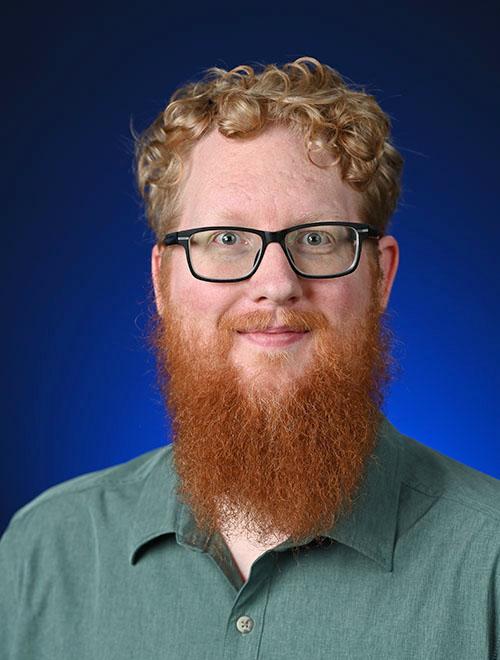
Dr. Charles Walter

Dr. Charles Walter

Dr. Charles Walter

Assistant Professor of Computer and Information Science

Mississippi Space Grant Consortium (MSSGC) University of Mississippi Campus Affiliate

Dr. Charles Walter is an Assistant Professor of Computer and Information Science at The University of Mississippi.

He earned his Ph.D. in Computer Science from The University of Tulsa in Spring 2018 as a member of the Software Engineering and Architecture Team (SEAT) Lab. Following the completion of his doctorate, he remained with the SEAT Lab for one year as a postdoctoral researcher before joining the Department of Computer and Information Science at The University of Mississippi in Fall 2019.

Dr. Walter’s research spans a range of topics, including mobile and wearable security, fog computing, self-adaptive systems, computer science education, data privacy, adversarial machine learning, malware detection, augmented reality, man–machine teaming, and unmanned aerial vehicles. He has also conducted prior work in human trust in code, genetic algorithms, and phishing detection.

Contact
 

logo Office Location
211 Weir Hall
P.O. Box 1848
University, MS

logo Email
cwwalter@olemiss.edu

Research Interests

Wearable Security

Widget Title
Securing Wearables Through Novel, Low-Power Solutions
Dr. Charles Walter’s research centers on securing wearable and on‑body devices through systems‑level, low‑power security mechanisms that are validated on real hardware and realistic usage scenarios. A major thrust of his research explores fog‑based and off‑device security support for wearables, most notably through the Personal Fog architecture and related publications such as Securing Wearables through the Creation of a Personal Fog and his Dissertation, The Personal Fog: An Architecture for Limiting Wearable Security Vulnerabilities, which offload costly security functions from resource‑constrained devices while maintaining responsiveness and usability. Dr. Walter’s work also examines context‑aware and environment‑aware protection for wearables, including mechanisms for predicting secure operating conditions and imposing security awareness on wearable systems, balancing energy consumption with adaptive risk mitigation. Across these contributions, his research emphasizes measurement‑driven evaluation, deployable system designs, and security solutions that respect the strict power, performance, and usability constraints inherent to wearable computing ecosystems.

Adversarial Machine Learning

Widget Title
Attacking Machine Learning Models to Increase Privacy and Model Robustness
Dr. Charles Walter’s research in adversarial machine learning uses attack construction as a diagnostic and defensive tool to improve model robustness, interpretability, and trustworthiness. His publication Generalized Loss‑Function‑Based Attacks for Object Detection Models introduces adaptable, inference‑time adversarial techniques that operate across object detection architectures by manipulating generalized loss functions, demonstrating how targeted and suppression‑based attacks can expose systemic weaknesses in safety‑critical vision systems and inform the design of more resilient models. Complementing this work, his research on Detecting Data Poisoning Attacks in Image Datasets Using a Vision‑Language Hybrid Pipeline addresses training‑time threats by combining statistical anomaly detection with semantic reasoning from vision‑language models, enabling more precise identification of poisoned or mislabeled data while reducing false positives and improving explainability. Together, these publications reflect Dr. Walter’s attacker‑centric approach to adversarial machine learning, where understanding and operationalizing attacks serves as a foundation for strengthening privacy protections, hardening models against misuse, and improving the reliability of deployed ML systems.

Self-Adaptive Systems

Widget Title
Adapting Behavior to Ensure Accurate and Secure Operation
Dr. Charles Walter’s work in self‑adaptive systems focuses on adapting system behavior at runtime to preserve security, correctness, and operational integrity under uncertainty. As first author, he has explored how adaptive mechanisms can anticipate and respond to environmental risk, including Toward Predicting Secure Environments for Wearable Devices, which investigates how contextual signals can inform adaptive security decisions before vulnerabilities are exploited. His research also examines security‑aware adaptation and assurance, contributing to the development of structured interaction frameworks such as MAPE‑K/MAPE‑SAC, which integrate self‑adaptation with explicit security assurance cases to support reasoning about trustworthiness during system evolution. Across these publications, Dr. Walter’s self‑adaptive systems research emphasizes risk‑informed decision making, runtime monitoring, and formalized feedback loops that allow systems to balance functional goals with security and correctness guarantees as operating conditions change. 
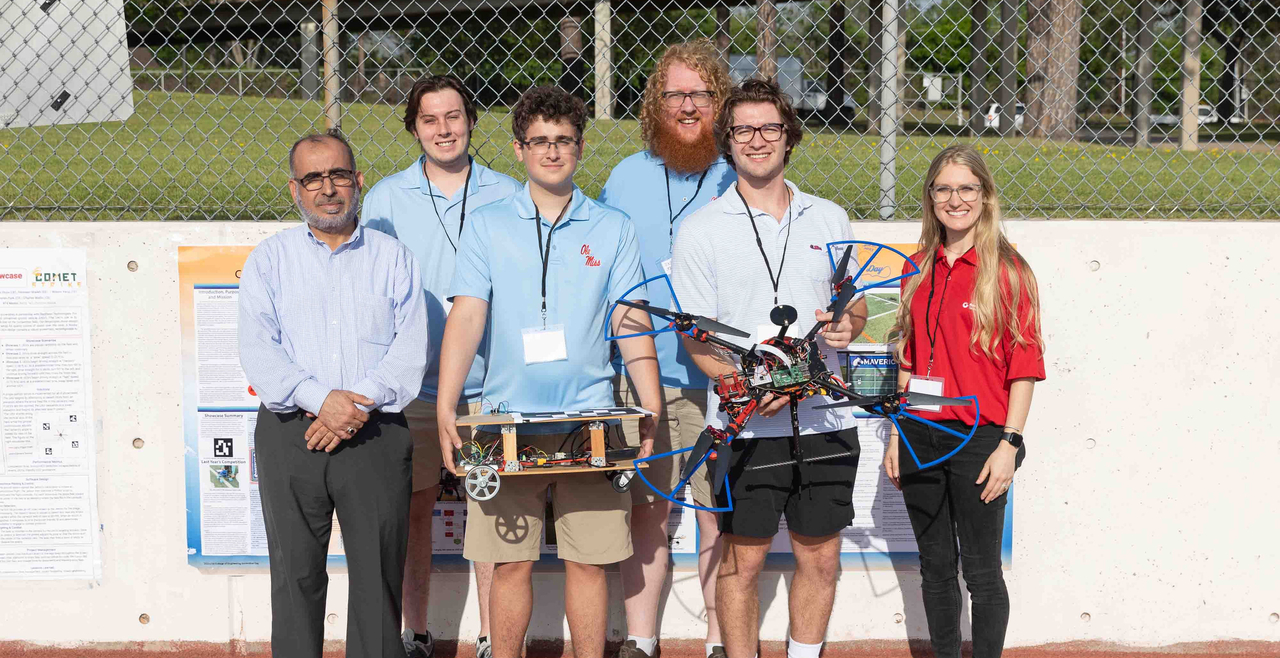
2022-2023 Raytheon Autonomous Drone Challenge Team
The 2022-2023 Raytheon Autonomous Drone Challenge Team
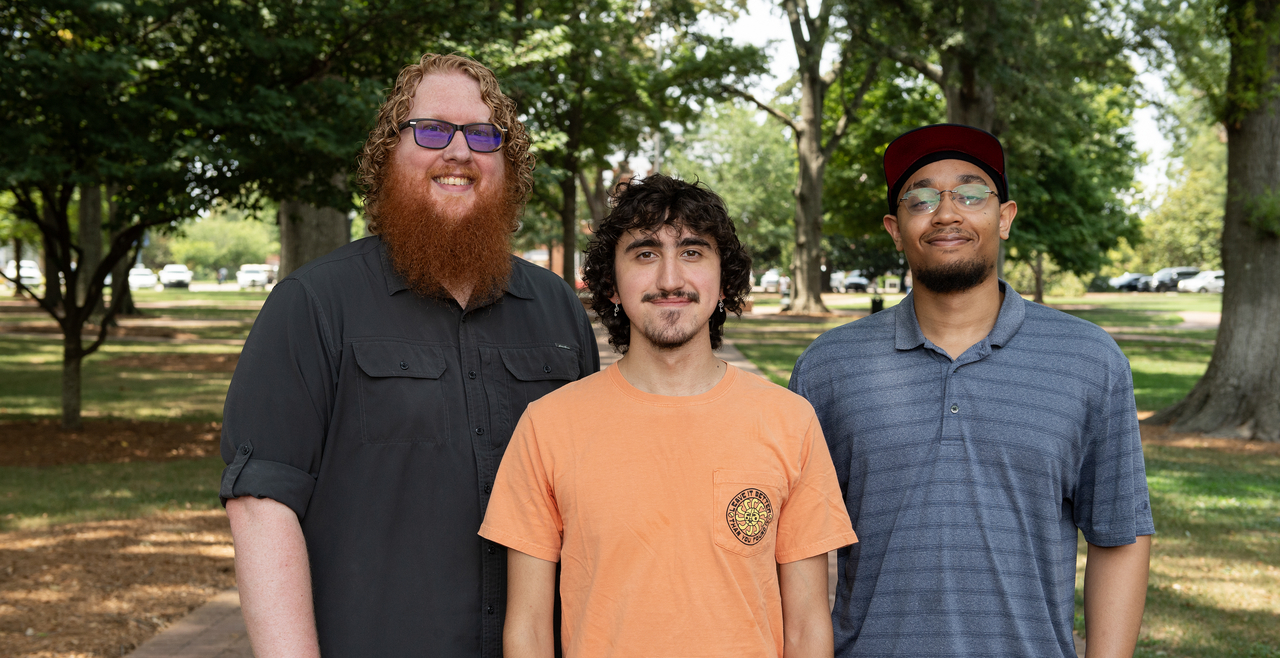
ARISE 2024 Wearable Research Team
Dr. Walter with Will Gregory and Taz Caldwell. Will was part of the 2024 ARISE Program, working on Wearable Research
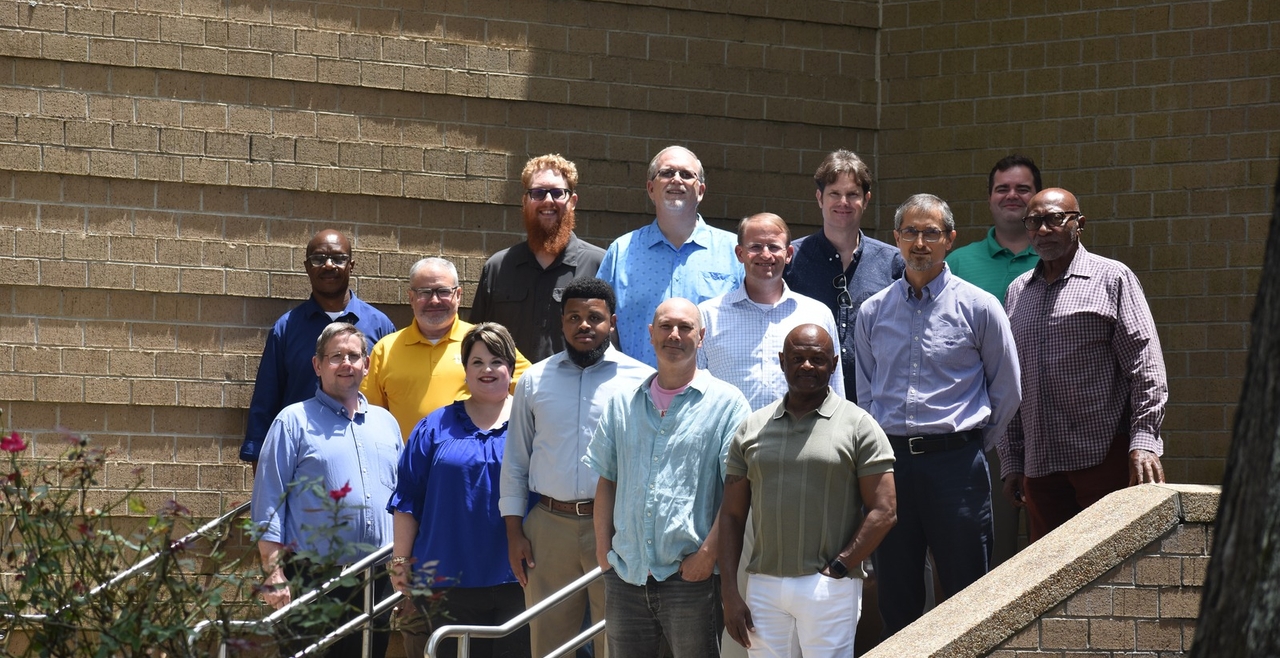
2025 Mississippi Space Grant Campus Coordinators
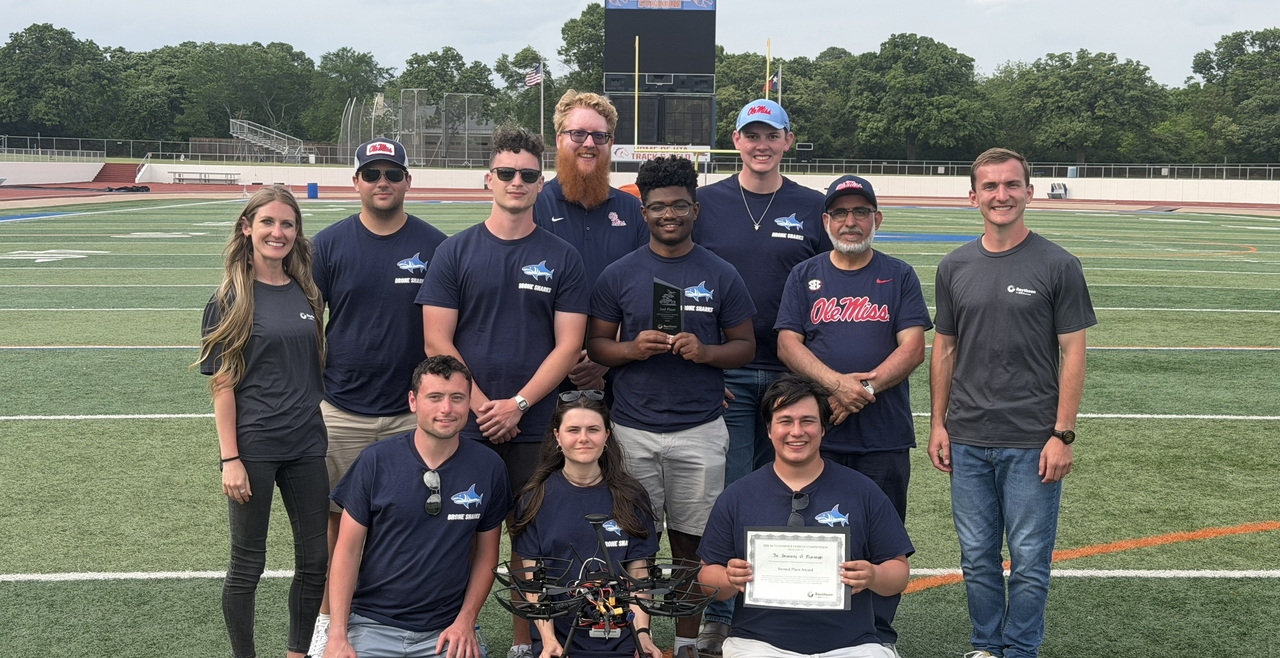
2025-2026 Raytheon Autonomous Drone Challenge Team
The 2025-2026 Raytheon Autonomous Drone Challenge Team took home 2nd place